Stadia Maps is growing its leadership team. Rob Yoegel joins as Head of Growth and Rick Myers leads Success and Support. Both are veterans of Linode's developer-first playbook.
For years, the work at Stadia Maps was mostly technical, as you might expect from two technical founders. Ian and I were building infrastructure that stays fast at scale while holding the line on privacy, even when the market was quietly giving up on it.
That work has paid off. Stadia Maps now powers products across industries such as logistics, travel, government, and a growing wave of AI platforms. We have reached the point where the question is no longer whether the product can carry serious workloads. It can. The question is how many more teams we can reach without breaking the things that made people choose us in the first place.
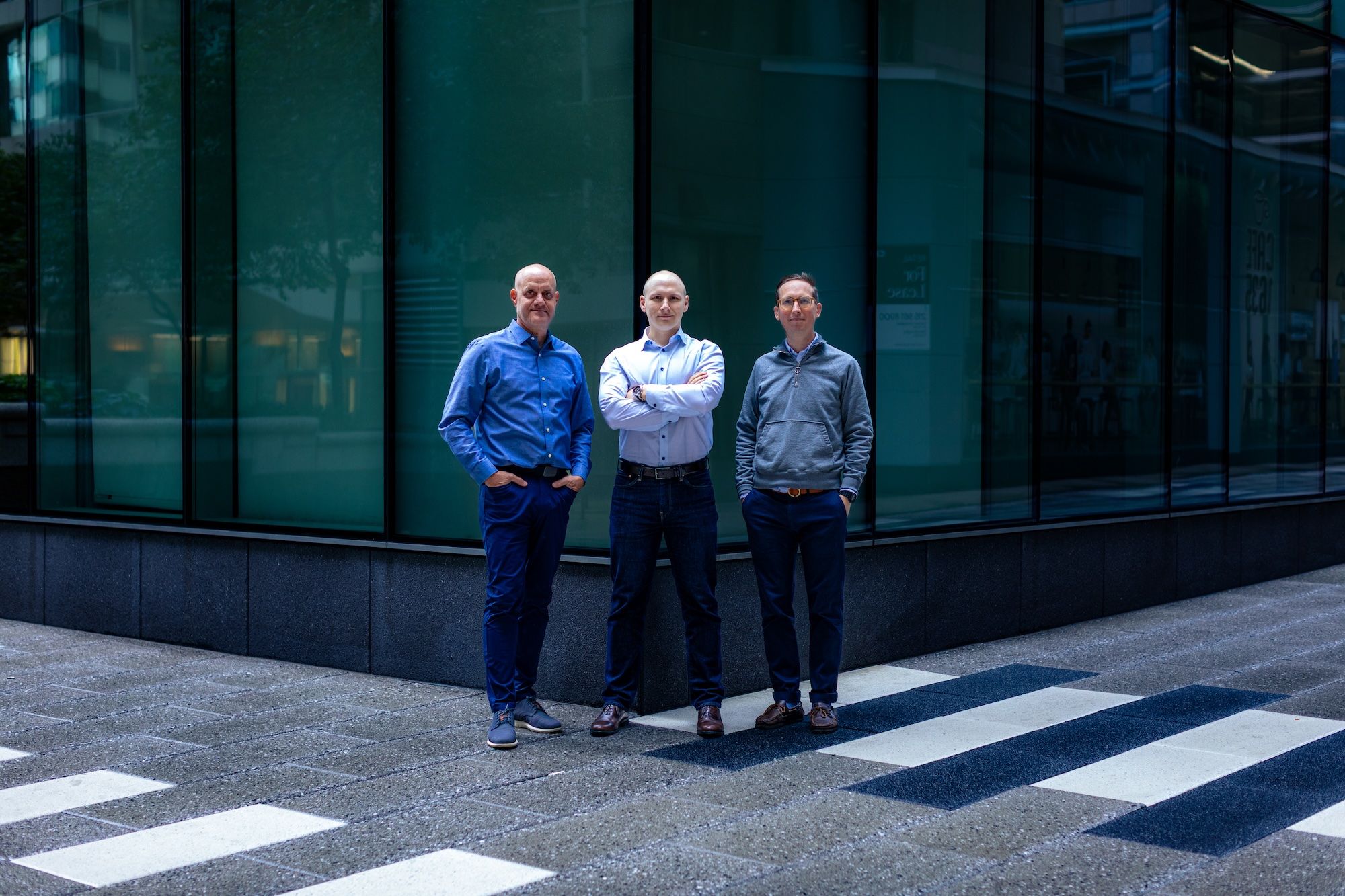
So we are growing the leadership team to answer it. Rob Yoegel takes on Growth, and Rick Myers leads Success and Support. Both spent years at Linode, now part of Akamai, helping build a developer-loved business in a market full of cynical alternatives. They know how to scale a company without breaking what makes it good or losing the "magic juice."
Why this matters
It would be easy to read a leadership announcement as company news that has little to do with the developer shipping at 2 a.m. against our API. We see it differently. Both of these roles exist to make your experience better, not our org chart bigger.
Rick has spent his career on a single idea: every customer renews with you every single day. Not as a slogan, but as an operating principle. If support is slow or unhelpful today, that's a renewal you have already lost, even if the contract does not come up for another year. Stadia Maps was built this way from the start, which is part of why Rick said yes. With him leading Success and Support, the goal is simple. When you need help, you reach a human who understands the systems you are building and can actually solve the problem.
Rob leads Growth, which at most location companies is code for more ads, more tracking, and more pressure on pricing. Not here. Rob and I first met back in 2019, when, as a Linode customer, we were telling the story of a developer-focused company providing privacy-first location services to teams around the world. He's taking on marketing and brand, sales enablement, partnerships, and developer relations, and his job is to give a genuinely better option to the developers and enterprises who would never settle for the alternatives. Growth on our terms means the same clean APIs, the same transparent pricing, and the same respect for your users' data, offered to a much wider audience.
The same promise, on a bigger scale
Nothing about our principles changes as we grow. Maps are critical infrastructure, not an ad product, and we treat them that way. We do not track, profile, or sell end-user data. Our pricing stays usage-based and transparent, with no lock-ins and no surprise overages. Our documentation stays readable, and our support stays human.
What changes is our ability to deliver on our promise to more people. For the teams already building on Stadia Maps, this means faster, sharper support and a clearer roadmap for where the platform is headed. For the teams still wrestling with surprise invoices, opaque tracking, and support queues that go nowhere, it means there is a serious alternative, and it is easier than ever to find.
If you have spoken with me in the past year about why Stadia is different, you have heard a version of the same line. Maps are infrastructure, not a tracking product. Rob and Rick make us confident we can keep that promise for a much bigger audience.
Ian and I are glad they are here. We think you will be, too.